
Web Desk (LTN NEWS): As cases of diarrhea, acute respiratory infections, skin diseases, and snakebites continue to rise in flood-affected areas, the health department is having trouble getting staff and medicines to people who need them. This is because the communication network has been broken.
The medical camps put on by the Young Doctors Association, the Insaf Doctors Forum, the Al-Khidmat Foundation, and the district administration are a blessing for people who need medical help right away.
The health department has asked the administrative departments for help and resources so it can send medical supplies and people to the affected areas and keep people from getting sick from diseases spread by the floods.
A report says that in the last three days, the health department has seen more than 53,000 people with different illnesses at its 45 emergency medical camps in 12 districts. Most of these people had diarrhea, respiratory infections, or skin diseases.
53,000 people with different illnesses are seen at medical camps in 12 districts.
It also said that 20 people who had been bitten by snakes were checked out in the camps and given injections. It also said that medical teams had heard of five deaths.
The Young Doctors Association (YDA) is worried about the rise in diseases spread by water and food, and they want to keep working to stop the spread of these diseases.
Dr. Ahmadzeb from the YDA said that over the past two days, they set up several camps in Charsadda and Nowshera. “Children in areas hit by floods often get diarrhea, skin diseases, and chest infections. We need antibiotics and medicines to treat skin diseases right away,” he said.
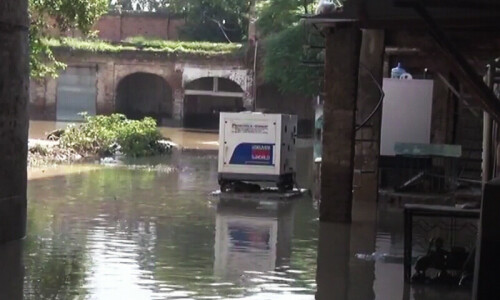
People in both districts are still surrounded by standing water even though the rain has stopped. This makes them more likely to get malaria or dengue fever from mosquito bites.
Dr. Ahmadzeb said that 50 doctors, including pediatricians, physicians, orthopedic surgeons, dermatologists, and gynecologists, had been sent to look at the sickest people. But he said they were having trouble getting enough medicines. “Our members are giving us money, but the need is too great,” he said.
He said that YDA members from Khyber Teaching Hospital, Hayatabad Medical Complex, Lady Reading Hospital, and Qazi Hussain Ahmad Medical Complex Nowshera were helping with medical activities to help people in the affected areas.
Dr. Sajjad Dawar of the Insaf Doctors Forum said that their volunteers were giving free medicines to people at camps in Swat, Kohistan, and Dera Ismail Khan. “We have also set up medical camps for people in Peshawar with the help of the district health office,” he said.
He said that the IDF also gave people wheat flour, oil, milk, and other things. He said that the camps were important because the floods had closed roads and caused damage to health facilities.
Al-Khidmat Foundation also keeps helping people in areas affected by flooding. It has a large group of volunteers who work in all of the affected areas. Doctors who are part of the Pakistan Islamic Medical Association are behind the most organized network (PIMA). It also does medical work inside people’s homes, where people with long-term illnesses are being checked on.
“People with high blood pressure, diabetes, etc. need treatment all the time. They are more at risk when floods happen and doctors can’t get to the hospitals quickly. Because of this, we are also paying attention to the people who have serious diseases,” a doctor with PIMA said.
In Mian Gujjar, Dala Zak, and other parts of Peshawar, the district administration set up a camp where more than 3,000 people were checked out.