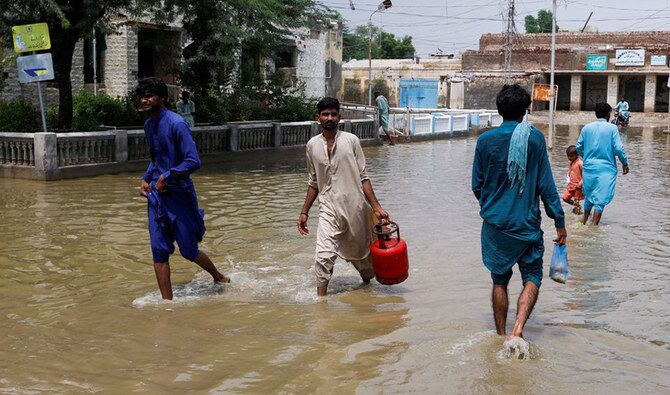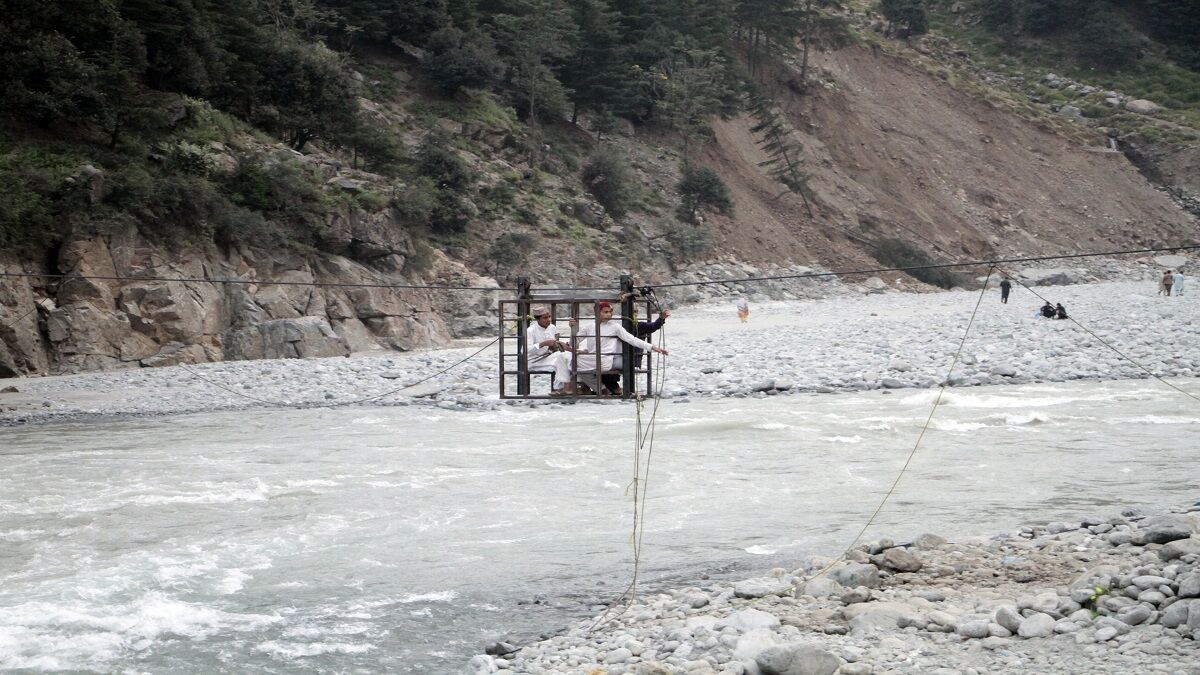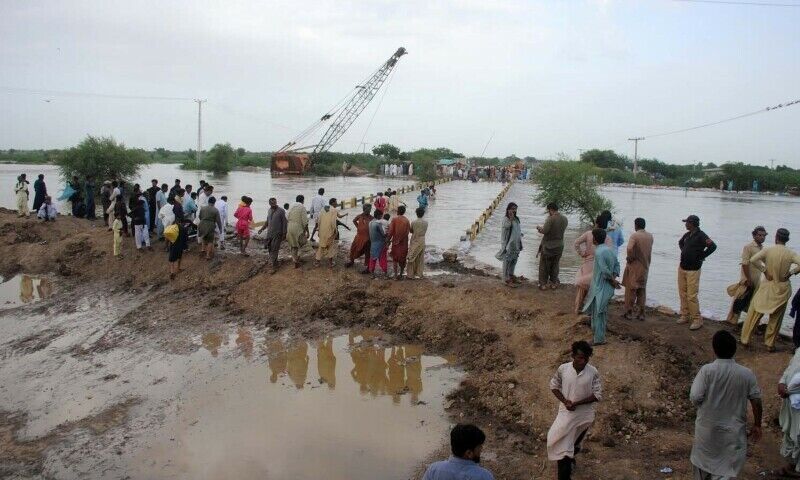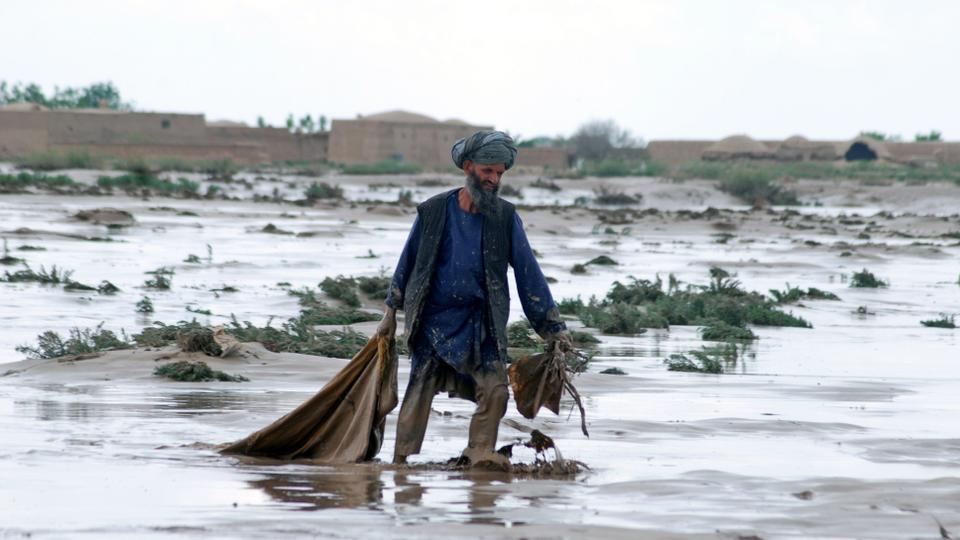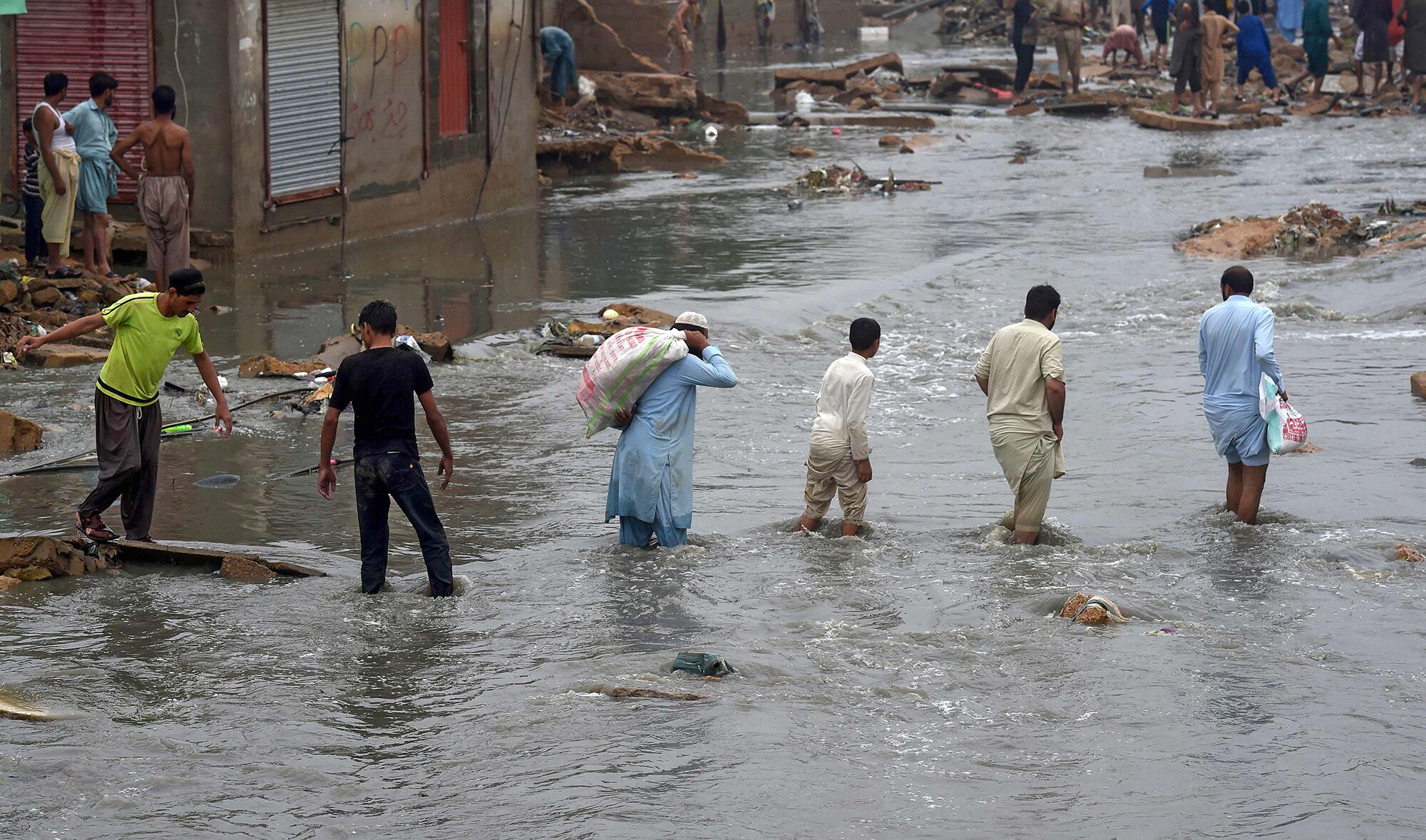

Web Desk (LTN NEWS): The Ministry of Finance warned on Thursday that major and minor crops have been hurt by heavy monsoon rains, which could hurt the country’s agricultural performance and overall economic outlook.
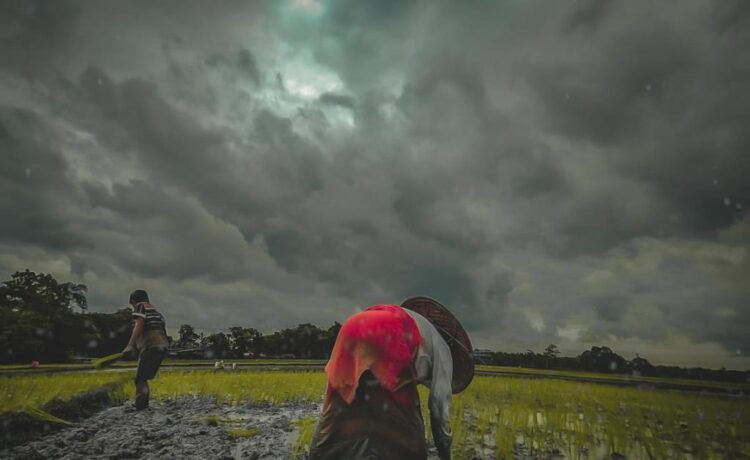
Floods and heavy rains in July and August hurt the Kharif crops, especially cotton, which was already growing. The provinces were still figuring out how much damage was done to the crops, but the Economic Adviser’s Wing (EAW) of the Ministry of Finance said in its Economic Update and Outlook for August that there could be big losses.
It said that most of the cotton fields in Sindh, Balochistan, and the southern districts of Punjab are flooded right now.
The economic outlook is clouded by both global and domestic uncertainties. Geopolitical tensions haven’t gone away, inflation is still high around the world, interest rates tend to go up, and the US dollar gets stronger. So, Pakistan’s outside environment is facing more and more problems. The government has done what it needs to do at home to meet the requirements of the International Monetary Fund (IMF).
As provinces look at the damage, a report from the Ministry of Finance says that heavy crop losses are likely.
The update said that these things have made inflation go up even more, but that they also make it easier to get money from outside the country. Inflation went up a lot from June to July compared to the same time last year. This was because global commodity prices went up and the rupee lost value.
Even if there is no further increase in inflation from month to month, inflationary pressure may continue this month because the prices of essential items are much higher than they were a year ago.
On the other hand, money supply growth was consistent with a low and stable inflation rate over the past year. But the recent changes in supply have made the CPI much higher than it was a year ago.
Taking into account the possibility that domestic retail prices will go up more than they did in July, even if there isn’t another month-on-month increase in August, the year-on-year inflation will be close to what it was in July.
As expected, the output of large-scale manufacturing (LSM) leveled off in June compared to May, and the growth rate from one year to the next stayed on an upward trend. In July, LSM may be lower than it was in June because of a slowdown in the international economy and bad seasonal effects at home. But from one year to the next, LSM may stay the same or grow slowly.
The report said that inflation has continued to rise over the past few months. This is mostly because supply shocks have caused big monthly changes in the CPI. If these monthly jumps can be kept to more normal levels in the coming months, inflation may start to slow down. But even if that happens, inflation from one year to the next might stay in the double digits for the rest of the current fiscal year.
The economy is still growing. But Pakistan’s cyclical position could get worse in the coming months if it doesn’t manage demand well and if inflation stays high. This cooling-off could be good for the trade balance and, by extension, for the current account balance, official reserves, and exchange rate.
On the other hand, exports may be limited if there are signs of a recession in the major markets where Pakistani goods are sold. Also, the Pakistani rupee has lost a lot of value in recent months, but it gained value again in June. In the next few months, the current account balance is likely to get a lot better.
The new deal with the IMF makes sure that Pakistan will get the money it needs from outside sources. This makes it possible for more supply-side policies to be put in place, which should raise Pakistan’s potential growth rate to a higher, more sustainable level.
One thing that must happen for this to happen is for Pakistan to become much more likely to invest. The report said that Pakistan needs to build up its physical and human capital and increase its productivity to improve its long-term growth path.