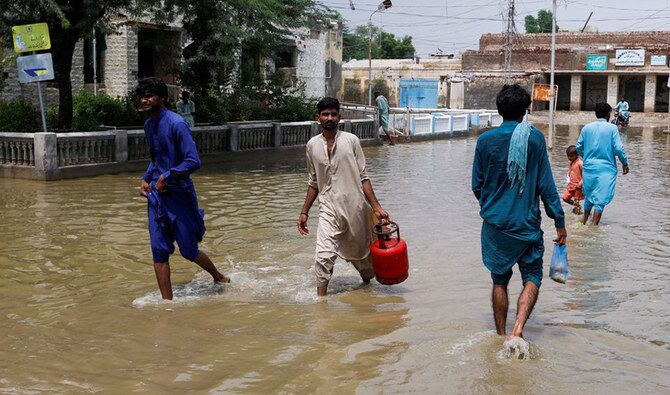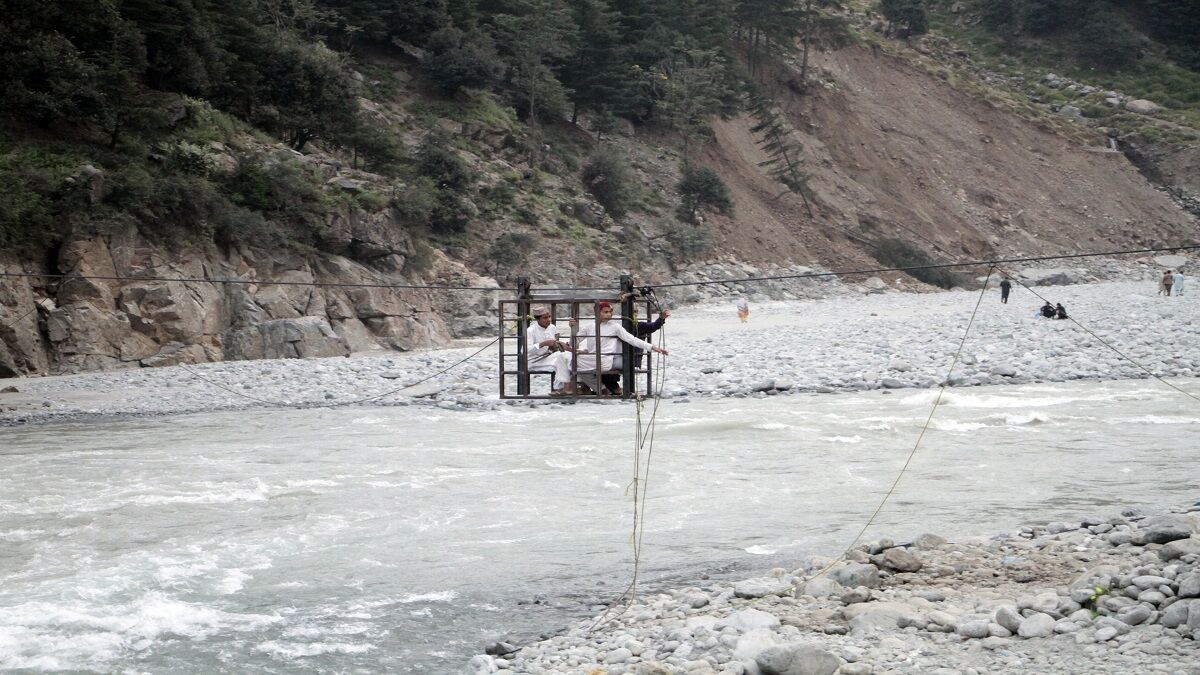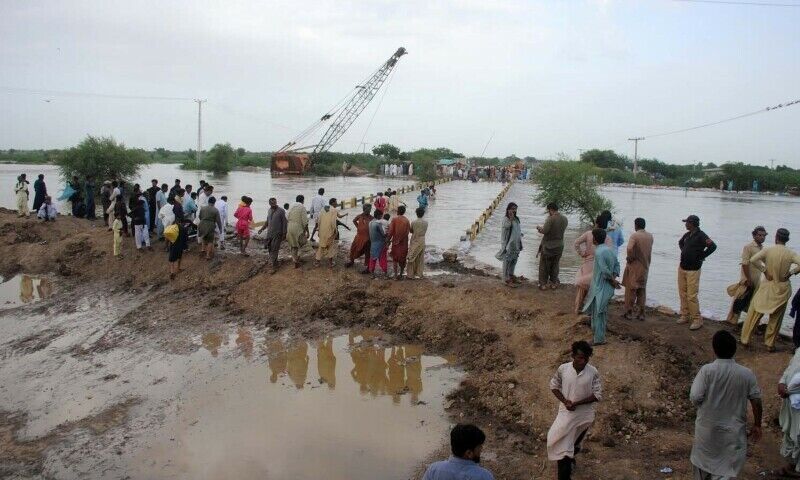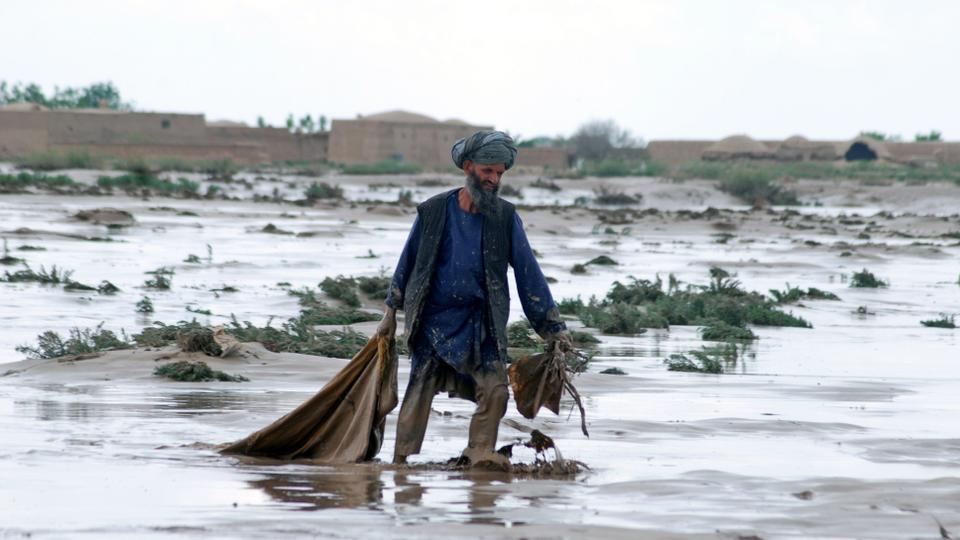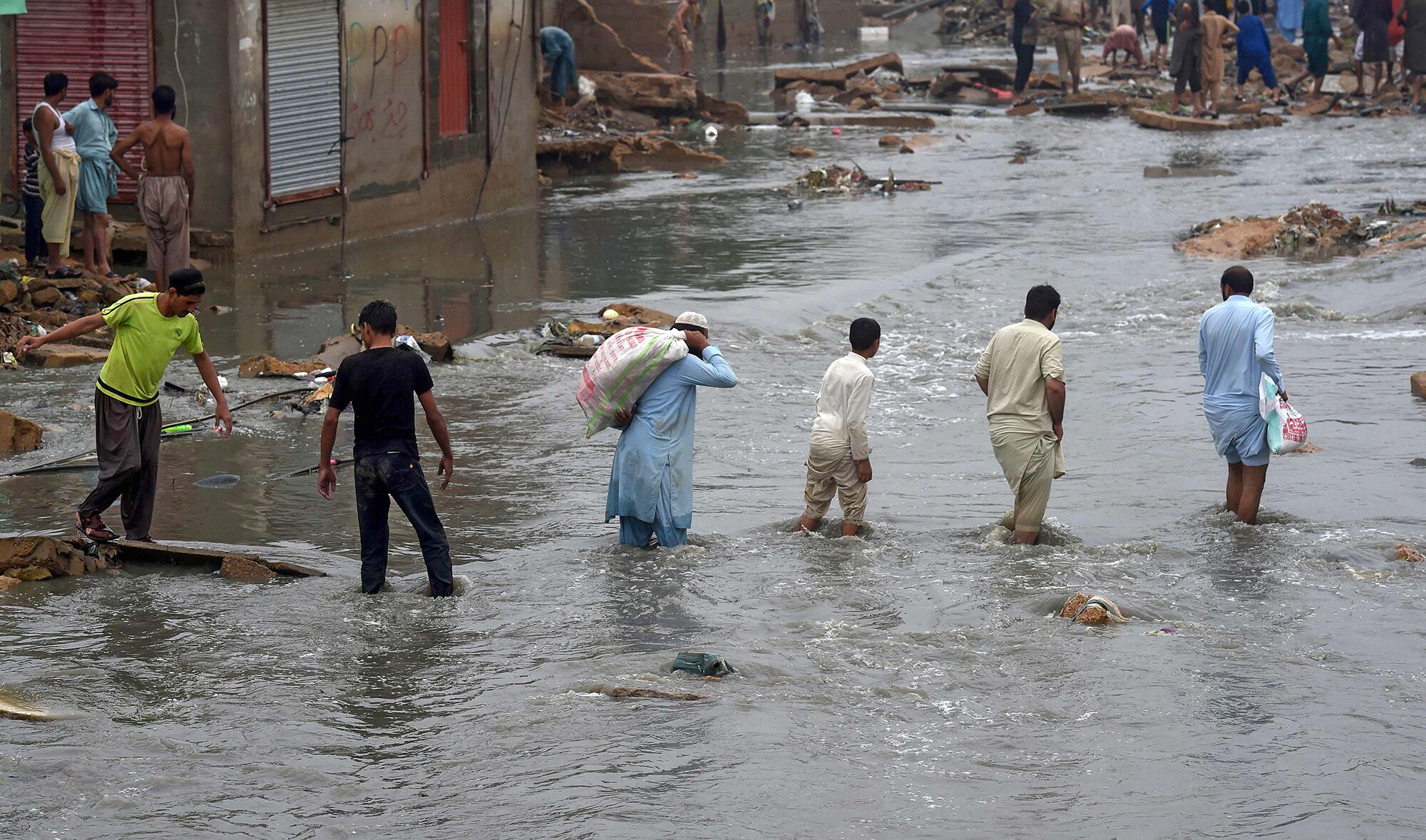

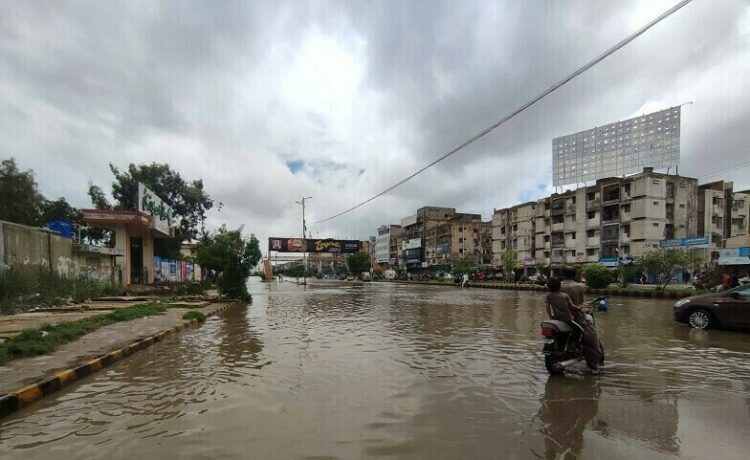
Web Desk (LTN NEWS): Sindh and Balochistan are experiencing the heaviest rain since 1961. This year, the two provinces got 522 and 469 per cent more rain than usual, respectively. This seems to be one of the worst monsoon seasons in the last 60 years.
The new numbers came from the Met Office, which surprised officials and drew warnings from environmentalists. They said it was the start of new problems for the government because climate change, which had been talked about for years, had finally arrived.
A Met official said, “Sindh has had 680.5 millimetres of rain since July when the monsoon season began.”
“According to standards that have been calculated and set, it usually rains 109.5 mm in Sindh during the monsoon season. So it’s 522 times more than usual. Balochistan gets an average of 50 mm of rain every monsoon, but so far it has gotten 284 mm, which is 469 % more. This monsoon has brought 207 times more rain to the country so far, and it will continue to do so until the end of September.
Since July, Padian, a town in the Naushero Feroze district, has gotten 1,722mm of rain, an official said, adding that this amount of rain has never been seen in any Sindh town before. He then said that data showed the last time Sindh and Balochistan had such heavy rain was in 1994, which was the heaviest rain since 1961.
“In 1994, it rained 502.6 mm in Sindh, which was 276% more than usual, according to calculations made at the time using weather and climate modules. In the same year, it rained 175 mm in Balochistan, which was 52 per cent more than usual,” he said.
This year, things didn’t look too different in other parts of the country either. Met Office data shows that it has rained 50.3mm in Gilgit-Baltistan so far, which is 99 per cent more than usual. In Punjab, it has rained 349mm, which is exactly 90 per cent more than its normal monsoon rain. This monsoon, it has rained 31% more than usual in Khyber Pakhtunkhwa, where 257.4mm have fallen so far.
Azad Jammu and Kashmir is the only place in the country where it hasn’t rained as much, as usual, this monsoon. The valley has gotten 279.6mm of rain, which is 7 per cent less than what it usually gets during the monsoon season. Alarm bells are going off because the authorities and experts are sure that climate change is no longer a problem that is coming up, but that it is happening right now.
“We are starting to see the effects of climate change,” said Dr Ghulam Rasul, who used to be the head of the Pakistan Meteorological Department. “What we’re seeing now is part of a chain of events that has been happening for a long time. For example, there is almost no spring in Pakistan. This year, we didn’t see spring. After a very hard winter, we went straight into a very hard summer with one heatwave after another, even in the country.
He said that the flooding in Sindh and Balochistan was caused by “catastrophic” rains, not by the state of the infrastructure or soil. He said that the hilly soil in Balochistan might have made the flooding worse because the water couldn’t soak into it. But in no part of Sindh could that be called a reason, he said.
“Another problem that makes this climate issue harder to solve is that there are more people and less space for a better ecosystem that is good for the environment,” said Mr Rasul.
“The number of people is growing so quickly that our farmland is being used to build cities and homes. In 1951, there was enough water for one person in Pakistan to use 5,500 cubic metres. This gives you an idea of how bad the problem is. Now, there are only 850 cubic metres left.”